










































DTF in 2026: Reliability and Support
Direct to Film (DTF) printing has firmly established itself as a core garment decoration technology. What was once viewed as an alternative or stop gap solution is now widely used across the industry by start ups, growing print businesses, and established production environments alike.
Because DTF has matured, the conversation around it has changed. The question is no longer “Should I bring DTF in house?” but “What kind of DTF setup will still be working for my business in five years’ time?”
In 2026, success with DTF is not defined by headline speeds or the lowest entry price. It’s defined by reliability, the quality of support behind the system, and how well the technology fits into a broader, multi process production workflow.
Less Downtime Starts with the Right Manufacturers
DTF can be an extremely productive process, but only when it runs consistently.
As production volumes increase, even short periods of downtime quickly become expensive. Missed deadlines, reprints, idle staff, and rushed jobs all impact margins. This is where the choice of manufacturer matters.
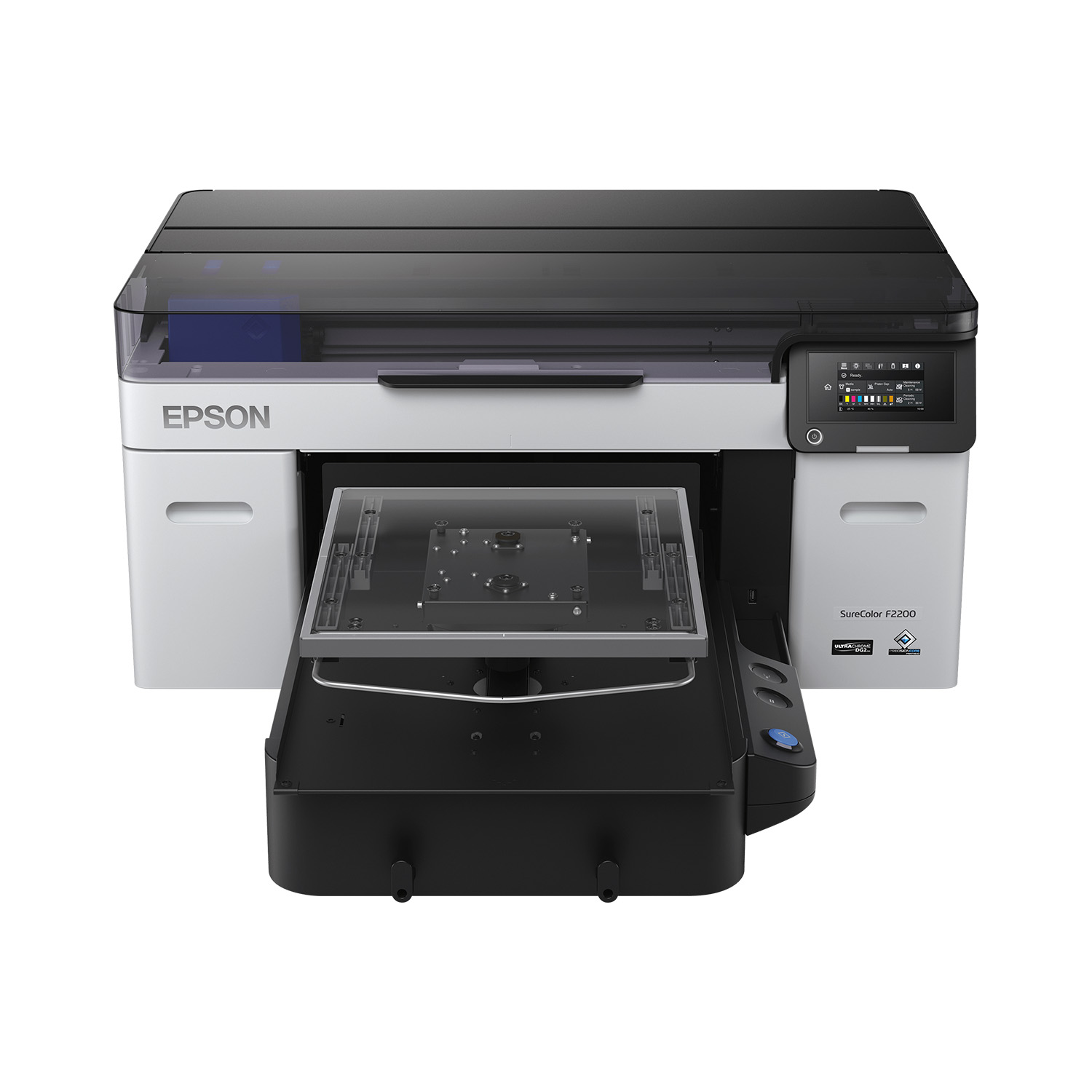
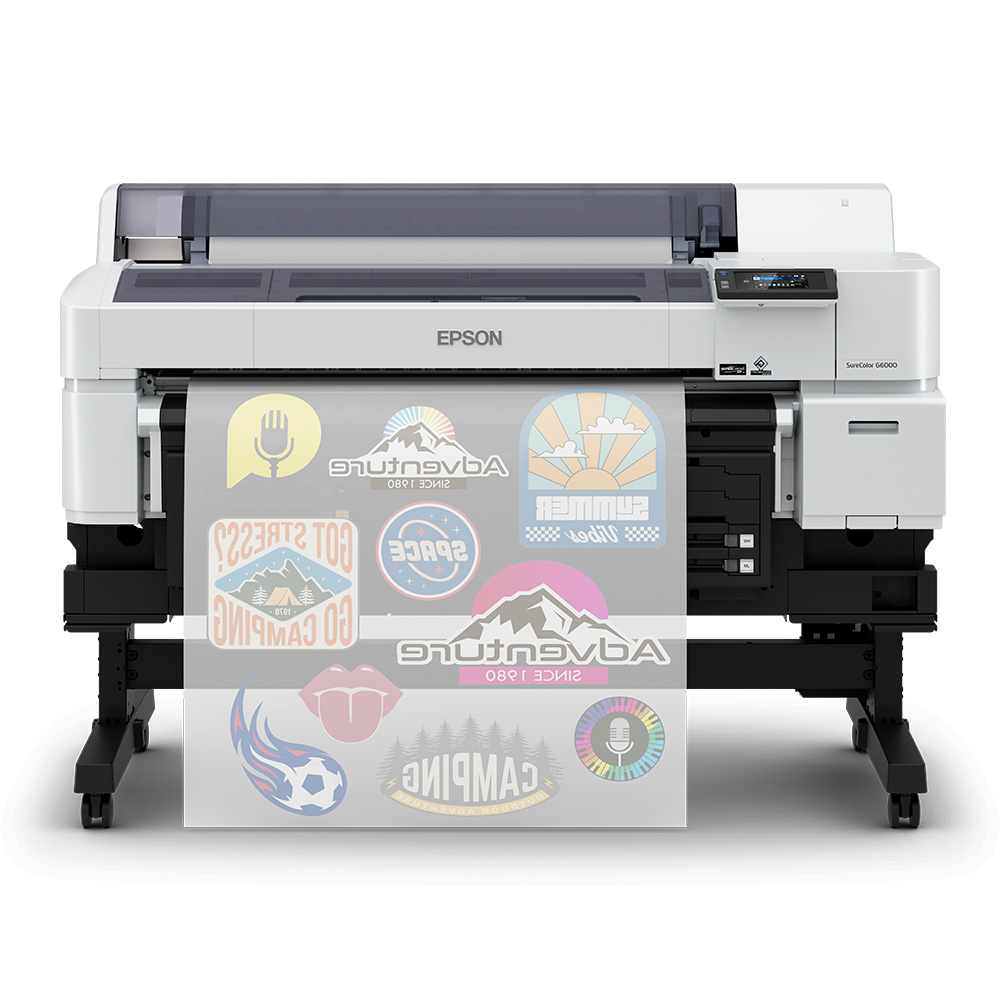
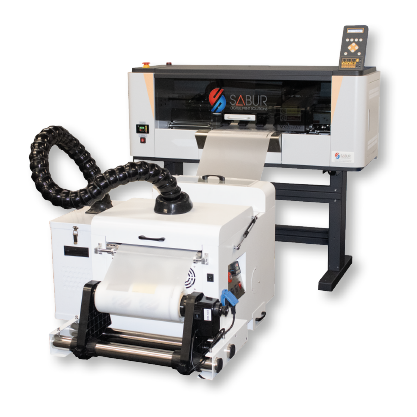
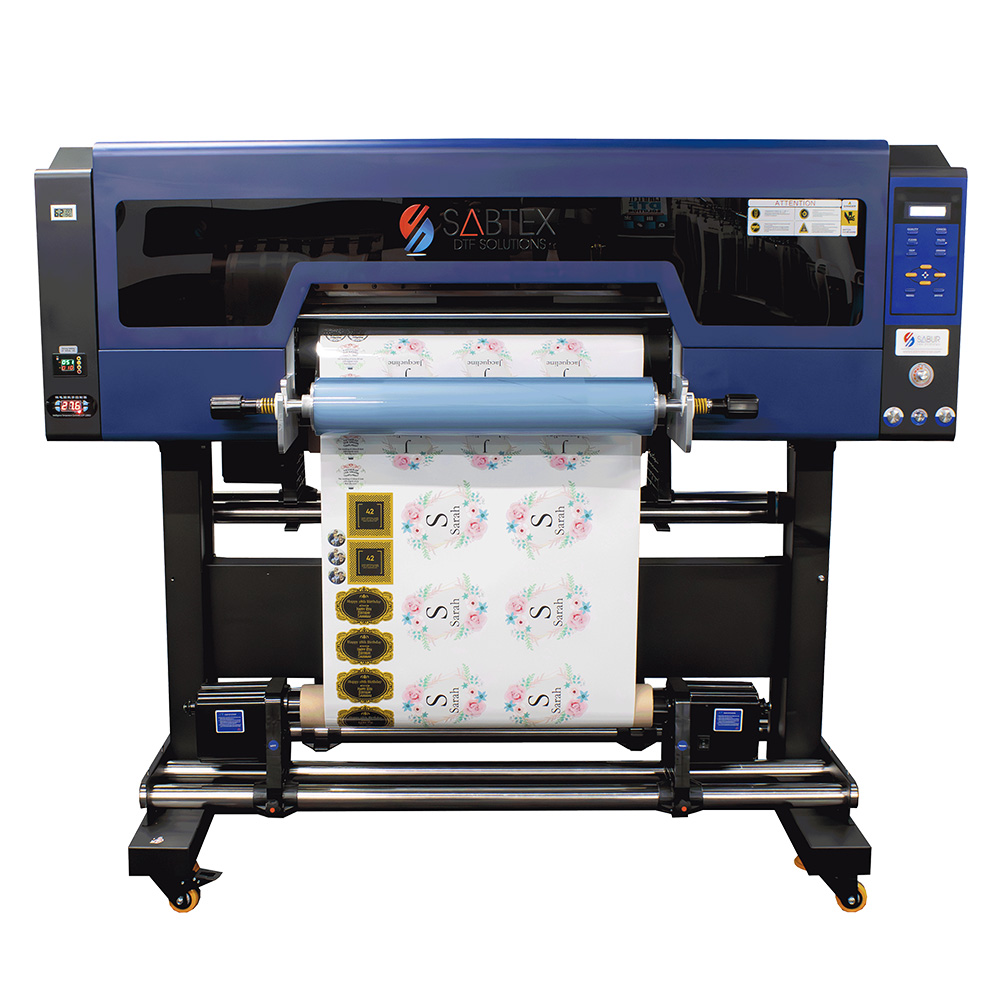
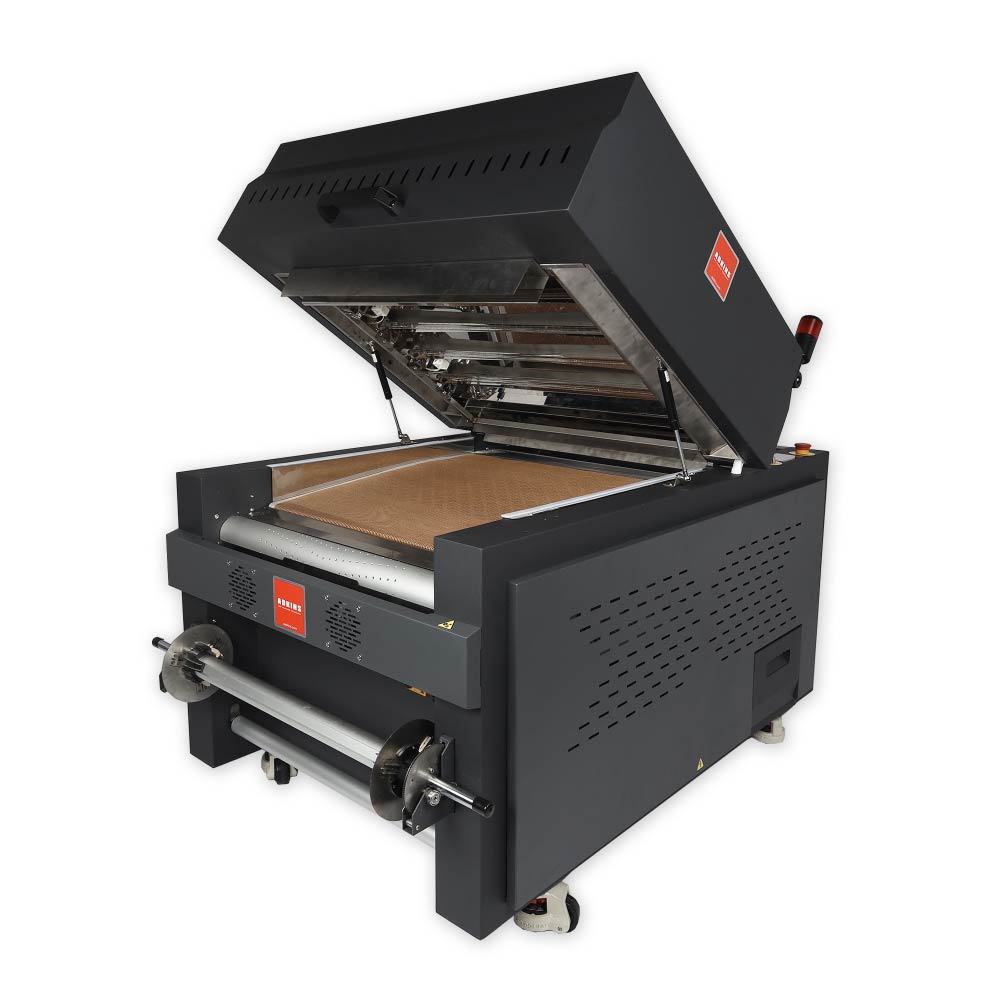
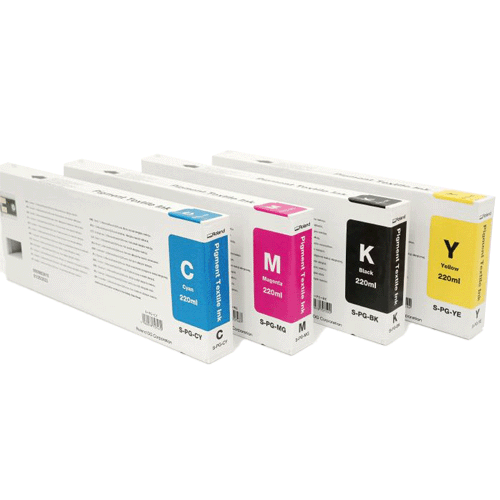
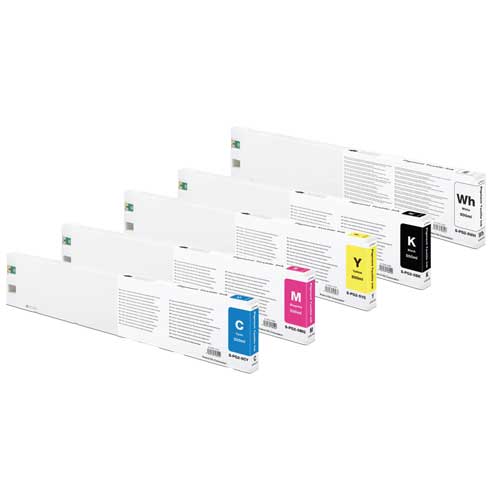
Established print manufacturers such as Roland and Epson have approached DTF with long term operation in mind. Systems like the Roland TY 300 DTF printer and the Epson SureColor G6000 paired with an Adkins Compact 900 dryer are designed around stability, predictable performance, longevity, not just short term output.
In practice, this shows up as:
- More robust components
- Better firmware and RIP software integration
- Clear, often automated, maintenance routines
- Consistent behaviour under sustained workloads
By contrast, systems built primarily to compete on price can rely on generic parts and fragmented software. They can perform well initially, but as demand grows, they are more likely to become unpredictable and harder to manage.
In 2026, reliability is no longer optional. It is the foundation that allows decoration businesses to scale with confidence instead of constantly firefighting.
Support and Infrastructure Are Part of the Product
DTF is not a plug and play technology. It is a production process involving ink chemistry, curing profiles, environmental control, regular maintenance, and consistent consumables.
When something goes wrong, and at some stage it will, the speed and quality of support make a measurable difference.
A strong DTF infrastructure includes:
- Access to trained technical specialists
- Clear, practical troubleshooting resources
- Software updates that improve stability, not disrupt it
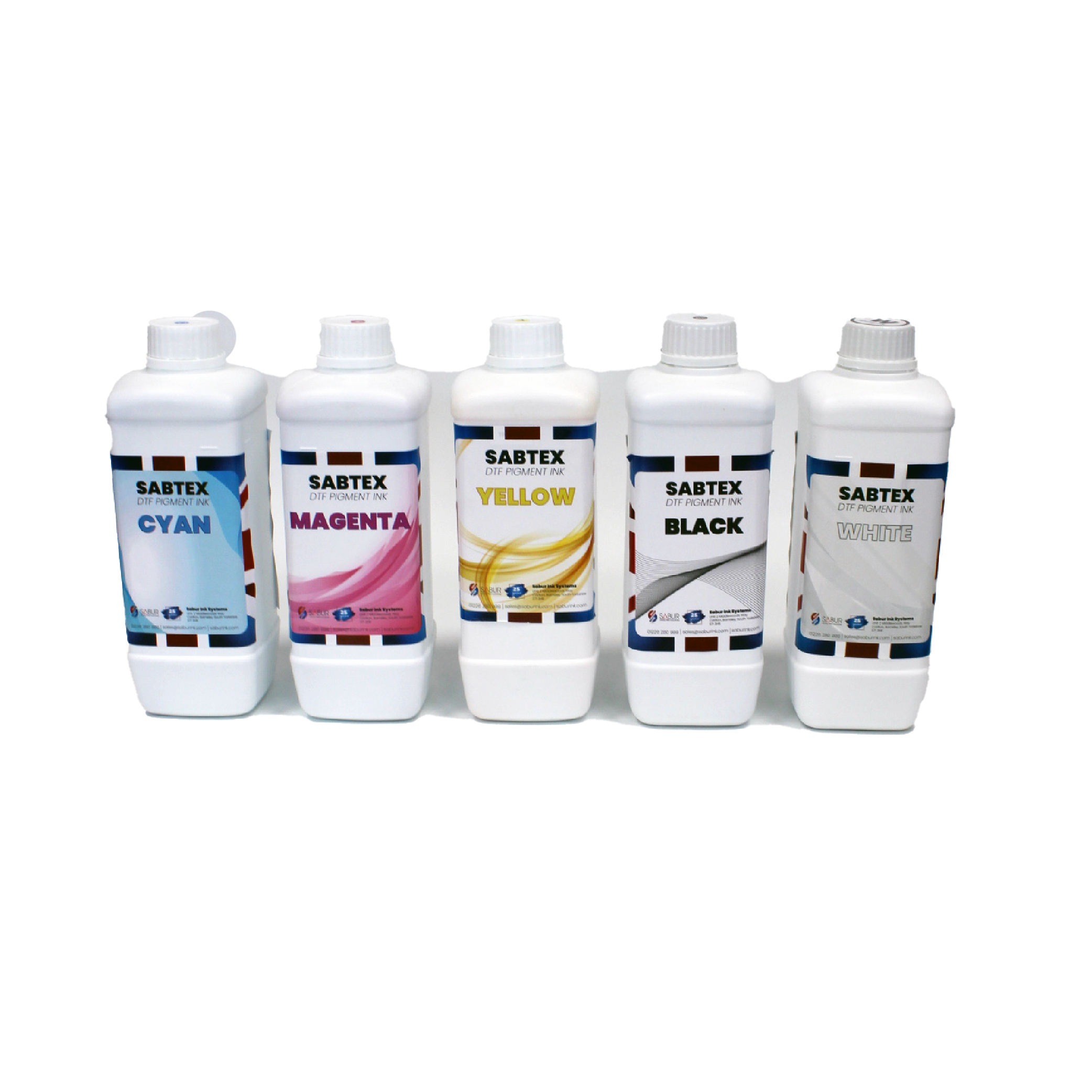
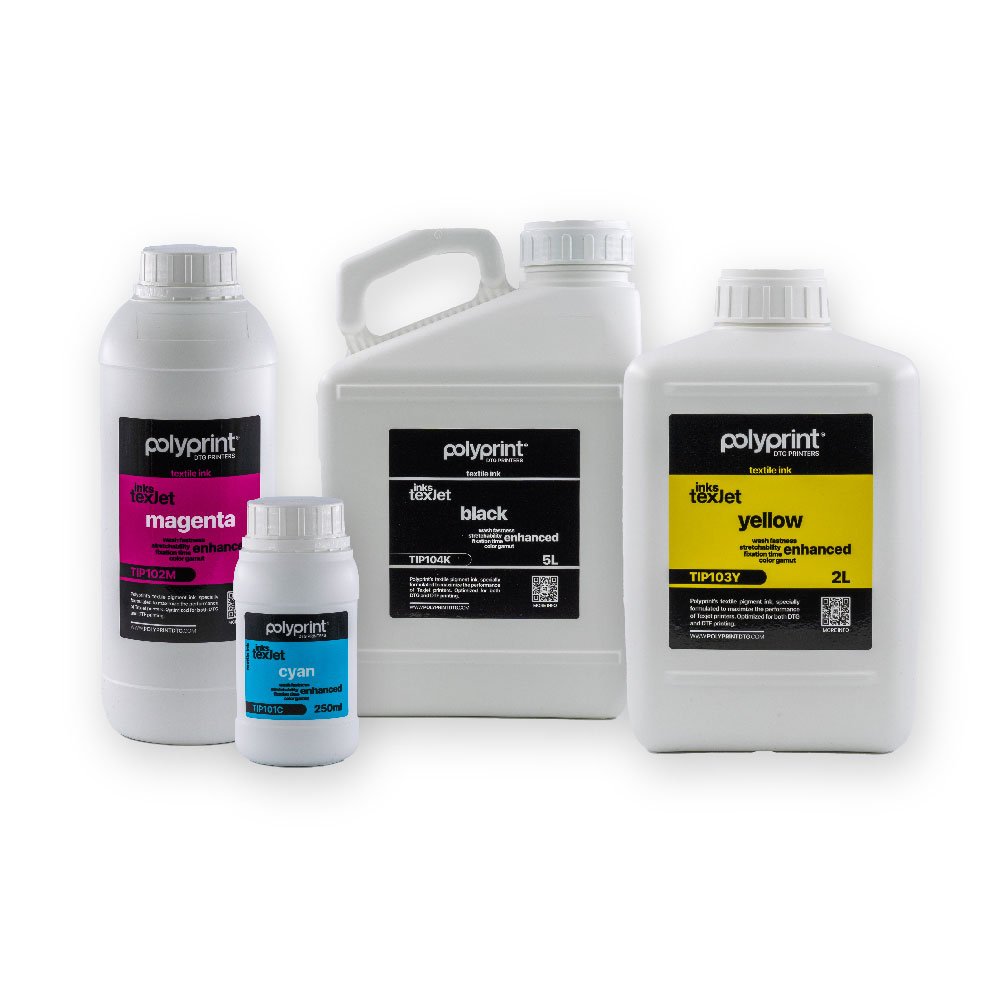
- A reliable supply chain for inks, films, powders, and spare parts
- Options for extended warranties or service cover
This is where working with established manufacturers and experienced suppliers becomes critical. Support is not an optional extra, it is built into the true cost of ownership. A lower upfront price may not guarantee you fast support, readily available spare parts and guaranteed fixes.
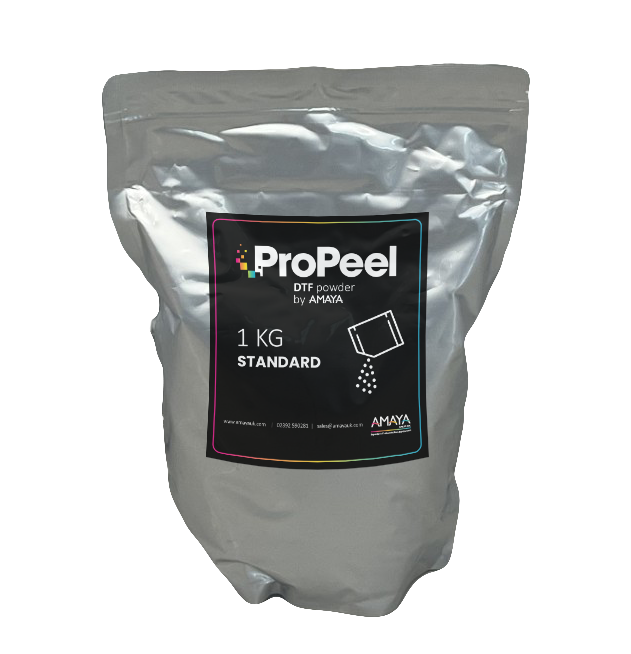
At Amaya, DTF installations are supported by in house trained technicians, ongoing technical support from our team and the manufacturer, and carefully selected consumables such as ProPeel DTF films and powders, developed to deliver consistent results and reduce process variables.
DTF as a Complementary Technology, Not a Replacement
One of the most common mistakes businesses make when evaluating DTF is treating it as an “either/or” decision.
DTF excels in areas where flexibility matters:
- Mixed fabrics and garment types
- Complex or high colour artwork
- Short runs and repeat designs
- Overflow production during busy periods
However, it does not automatically replace other technologies such as DTG, screen printing, or embroidery.
In mature print environments, DTF works best as part of a balanced production mix:
- Supporting DTG where fabric or workflow limitations apply
- Handling short runs alongside bulk production
- Offering solutions for materials other processes struggle with
Businesses that integrate DTF thoughtfully, rather than forcing it to do everything, tend to see better utilisation, fewer bottlenecks, and smoother overall production.
Where Will Your DTF System Be in Five Years?
Now that DTF is an established technology, investing in a system should be approached in the same way as any other major piece of production equipment with the long term in mind.
Key questions to ask include:
- Will the manufacturer still be present and supporting the platform?
- Will firmware, RIP software, and operating systems continue to be updated?
- Will trained technicians still be available to service the equipment?
- Can the system scale as production demands increase?
- Will consumables remain consistent and readily available?
As the industry continues to consolidate, not every DTF platform on the market today will exist in the same form tomorrow. Choosing systems backed by established manufacturers, long term roadmaps, and strong support infrastructure reduces risk and protects future flexibility.
Final Thoughts
DTF in 2026 is no longer about chasing the fastest machine or the lowest price. It’s about building a dependable production process that supports growth, protects margins, and integrates cleanly with other technologies.
- Reliability reduces downtime.
- Support turns problems into manageable events.
- Complementary thinking improves efficiency.
- Long term planning protects your investment.
If you have questions about DTF, or want to talk through how systems like the Roland TY 300 or Epson G6000 with Adkins dryer could fit into your wider production setup, we’re always happy to help. At Amaya, we don’t just supply equipment. We support informed, long term decisions that help print businesses grow with confidence.