













































Why Hooping Technique Matters in Embroidery
Embroidery quality is often judged by the finished stitch, but the process begins long before the machine starts running. One of the most important steps is hooping, and it has a direct impact on the final result.
Machines such as the Melco Summit Embroidery Machine are capable of extremely precise stitching. However, if the garment is not hooped correctly, even the best machine cannot produce clean, consistent results.
Incorrect hooping creates uneven tension in the fabric, which leads to:
- Puckering around designs
- Distorted shapes
- Poor registration on multi-colour logos
Fabric Type Matters
Different fabrics behave very differently during embroidery, and your hooping approach should reflect that.
- T-shirts and polos (cotton and blends): require stable but not overly tight hooping to avoid stretching using the correct backing paper is essential for good quality.
- Sweatshirts and fleece: thicker fabrics need a little less support, however fleeces may also require water soluble film to give the best results.
- Caps and structured garments: require specialised hoops or fixtures
- Towels and high-pile fabrics: need additional surface control to maintain stitch clarity
Choosing the Right Backing (Stabiliser)
Backing is just as important as hooping tension. The purpose of backing is to stabilise the fabric during stitching and prevent movement.
- Tear-away backing: suitable for stable fabrics like sweatshirts and fleeces.
- Cut-away backing: ideal for stretch fabrics such as polos and performance wear
- Heavyweight backing: required for dense designs on difficult garments
Using the wrong backing is one of the most common causes of poor embroidery quality.
Hooping Technique and Tools
A common mistake is hooping too loosely, which allows the fabric to move during stitching. Hooping too tightly can stretch the fabric, causing distortion when the garment is removed from the hoop.
The goal is even tension without stretching the garment.
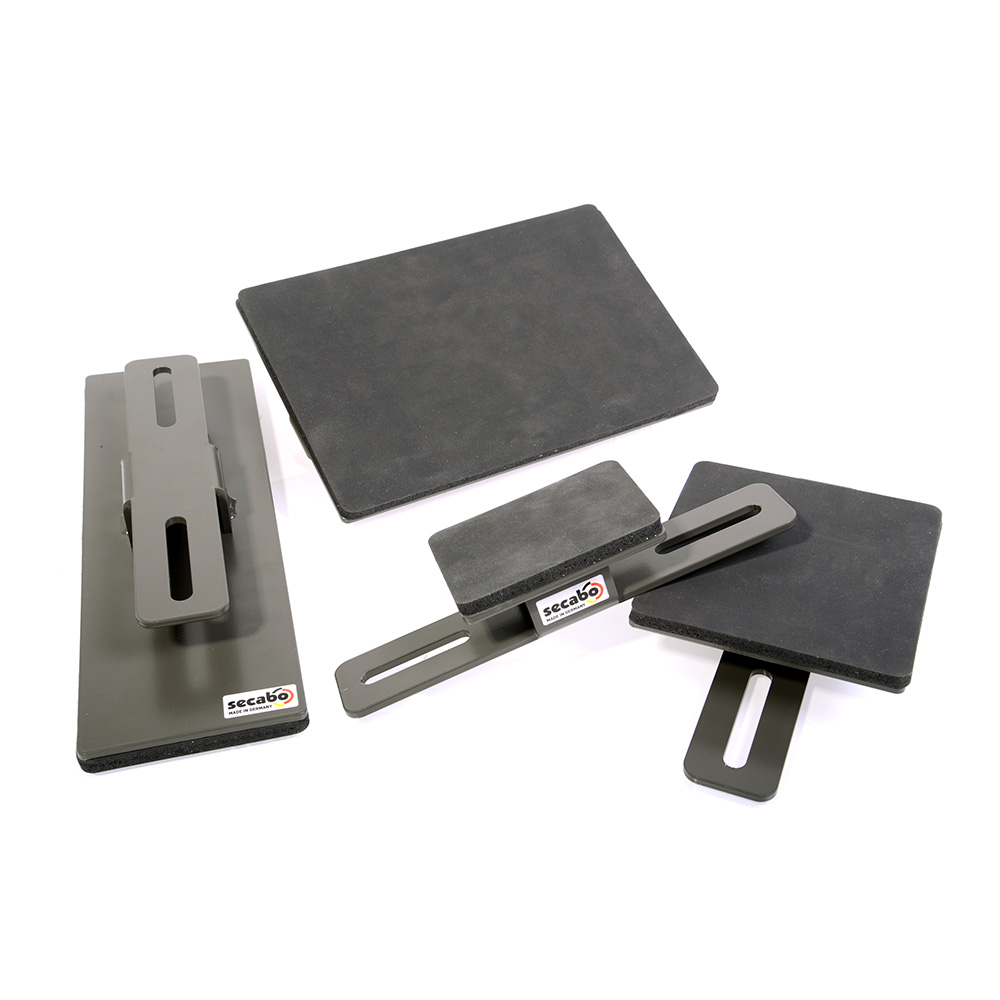
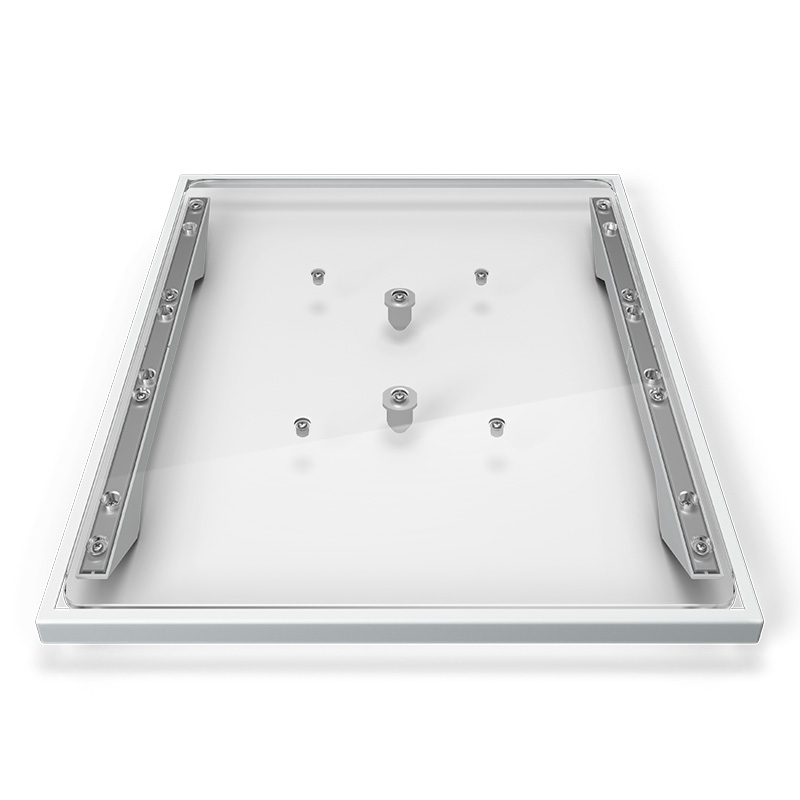
For more consistent results, many businesses use hooping systems such as HoopMaster, which are available for most embroidery machines. These systems improve placement accuracy, speed up production and reduce operator error.
Embroidery on Towels and Textured Fabrics
High-pile fabrics like towels present an additional challenge, as stitches can sink into the material.
Using aqua film (water-soluble topping) over the garment helps hold fibres down during stitching, resulting in cleaner, sharper designs.
Why This Matters Commercially
Poor hooping leads to rework, wasted garments and inconsistent results. Correct hooping, combined with the right backing and accessories, ensures:
- Cleaner embroidery
- Faster production
- Greater consistency across jobs
For businesses using machines such as the Melco Summit, improving hooping technique is one of the fastest ways to increase both quality and efficiency.