











































How Garment Quality Affects DTG Printing
When people talk about improving DTG printing quality, they often focus on printer settings, ink or artwork preparation. While those factors are important, one of the biggest influences on the final print result is often overlooked: the garment itself.
The fabric used for DTG printing plays a huge role in how ink sits on the surface and how clearly the design appears. For the best results, most professional DTG decorators choose high quality, tightly woven ring spun and combed cotton garments.
Why Ring Spun and Combed Cotton Works Better
Ring spun cotton is produced by twisting and thinning the cotton fibres to create a much smoother and finer yarn. When garments are also combed, the shorter fibres are removed, leaving longer and more uniform fibres behind.
This manufacturing process creates a fabric with a smoother, more even surface. For DTG printing, this is extremely important because the ink sits on top of the fibres rather than being absorbed unevenly.
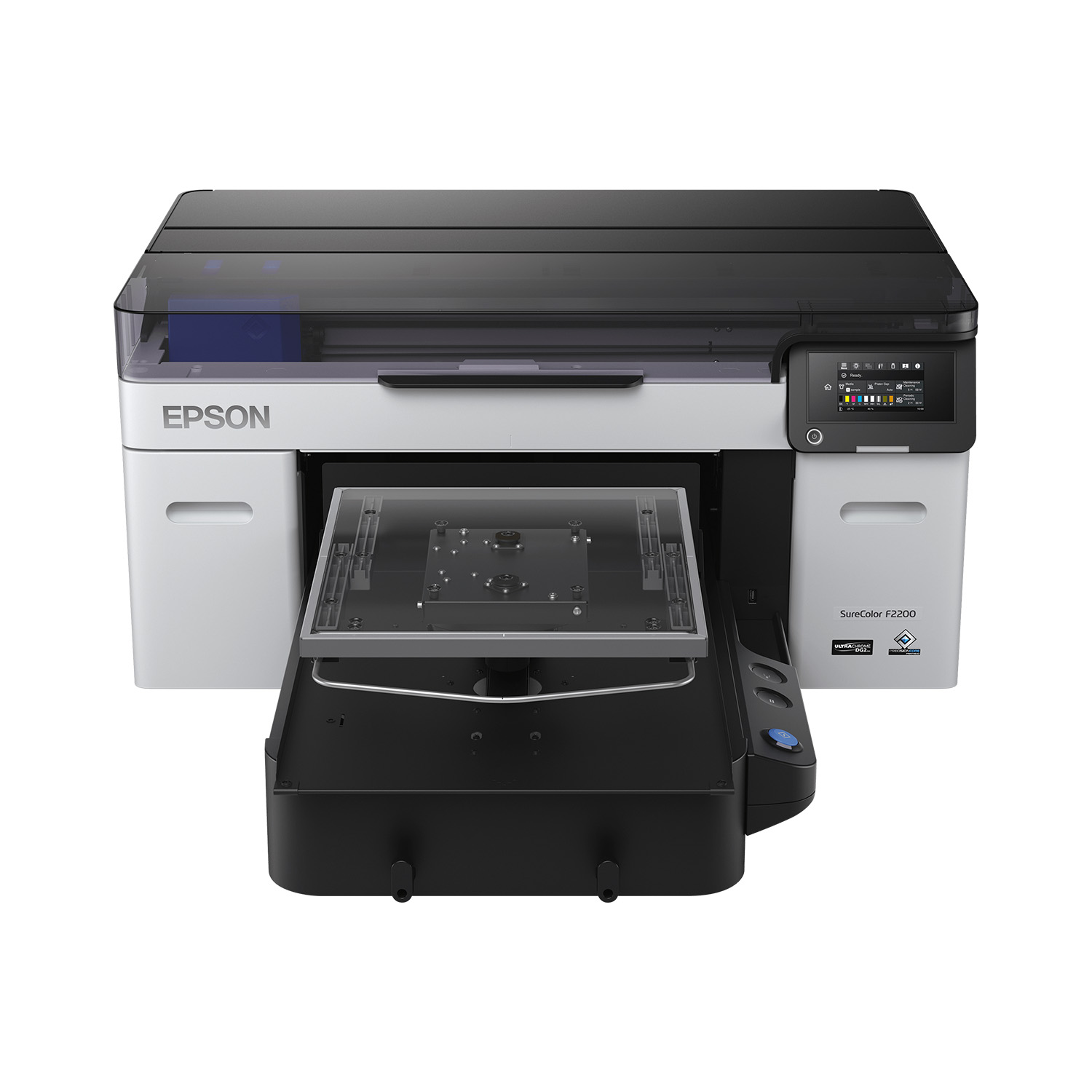
When printing with professional machines such as the Epson SureColor F2200 DTG printer or the Epson SureColor F3000 DTG printer, a smoother garment surface allows the printer to reproduce artwork much more accurately.
You will typically see:
• Sharper image detail
• Stronger colour vibrancy
• Cleaner edges around graphics and text
• Smoother gradients
• More consistent results between garments
Many garment brands popular with DTG printers fall into this higher quality category. Examples include AS Colour, Stanley/Stella, andAWDis as well as premium ring spun ranges from brands.
Why Cheaper Open-End Cotton Produces Weaker Results
Lower cost garments are often made using open-end cotton yarn. This spinning method is faster and cheaper, but it creates a bulkier yarn with a rougher texture.
That rougher surface can cause ink to spread slightly into the fibres rather than sitting neatly on the surface. As a result, prints can appear less sharp and colours may look slightly duller.
Even when using advanced DTG printers such as the Epson F2200 or Epson F3000, the machine can only reproduce the quality that the fabric allows. If the garment surface is rough or inconsistent, the print result will reflect that.
Garment Choice Also Affects Durability
A smoother fabric surface also improves wash durability. When ink sits evenly across the fibres, it bonds more consistently during curing. This helps the finished print maintain its appearance over repeated washes.
For DTG businesses, choosing the right garment is therefore one of the easiest ways to improve print quality and customer satisfaction.
While premium garments may cost slightly more than basic open-end cotton shirts, they often deliver better results, fewer reprints and happier customers.
When combined with professional equipment such as the Epson F2200 or Epson F3000, high quality garments help unlock the full potential of DTG printing.