










































Why Surface Preparation Matters in UV Printing
When it comes to UV printing, most operators focus on artwork, colour profiles, and printer settings. But one of the simplest factors affecting print quality often gets overlooked: surface preparation.
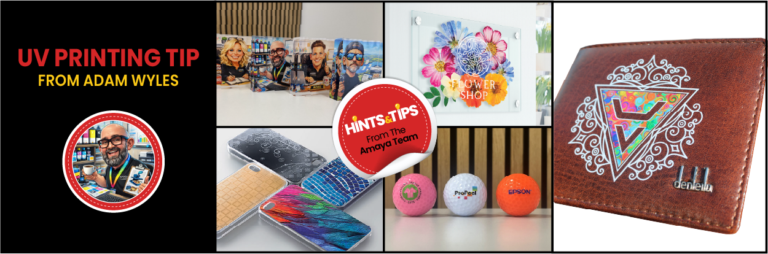
UV printers can produce incredibly durable prints on materials such as acrylic, wood, glass, metal, plastics, and coated promotional products. However, for the ink to cure properly and bond to the substrate, the surface must be clean and free from contaminants.
Even small amounts of dust, oil, grease, or fingerprints can prevent UV ink from adhering correctly. This can lead to issues such as poor quality, flaking ink, or prints that scratch off more easily than expected.
–
The Simple Fix: Clean Before You Print
Before loading an item into your printer, it’s good practice to wipe the surface using isopropyl alcohol (IPA) and a lint-free cloth. This removes invisible residues that can interfere with ink adhesion.
The process only takes a few seconds but can make a significant difference to the final result. It’s particularly important when printing onto:
- Acrylic sheets
- Metal panels
- Glass items
- Plastics and coated promotional products
- Objects that have been handled frequently
–
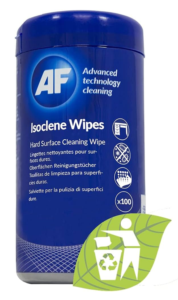
If you’re using a flatbed UV printer such as the Roland VersaSTUDIO BD-12 or the Roland VersaOBJECT MO-240, maintaining clean surfaces will help ensure you achieve consistent, professional results across a wide range of materials.
When Additional Preparation May Be Needed
Some substrates—particularly certain plastics and metals—may benefit from additional adhesion support. In these cases, using a UV adhesion promoter or primer alongside your cleaning process can further improve durability.
Many professional users keep a stock of UV printing primers and adhesion promoters on hand when working with challenging materials.
Small Step, Big Impact
Surface preparation is one of those small operational habits that separates average prints from professional results. By taking a few seconds to clean each item before printing, you can dramatically reduce adhesion problems, improve durability, and deliver better quality products to your customers.
In short: clean surface, stronger print, fewer problems.